
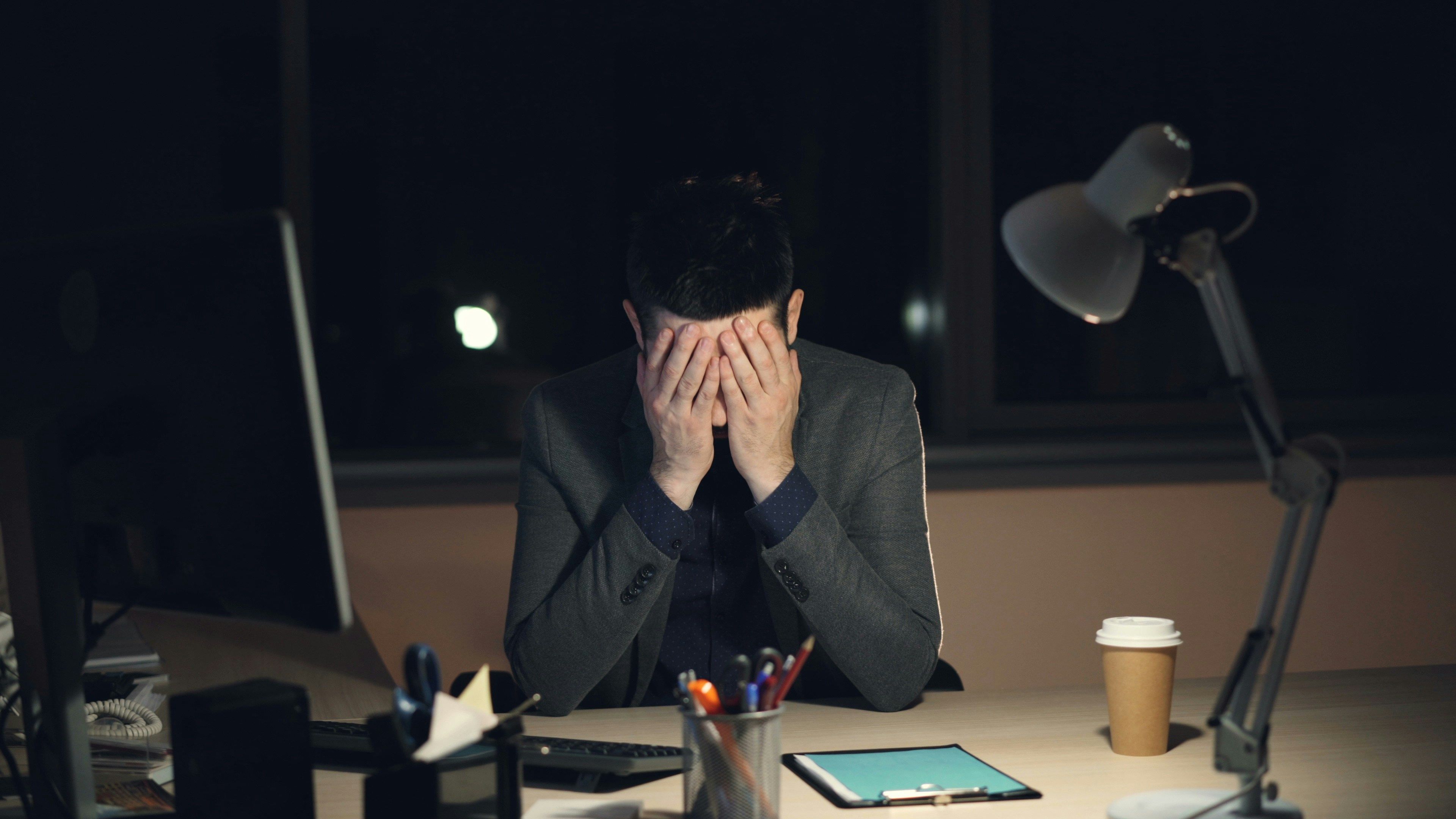
How Digital Overload Affects Mental Health — And What Tech-Conscious People Can Do About It

WebTools
November 29, 2025
Reduce digital fatigue today.
📱 How Digital Overload Affects Mental Health — And What You Can Do About It
Between endless notifications, AI-generated feeds, work messages, and social pressure — the average person consumes over 8+ hours of screen content daily.
And our brains were never built for this.
Here’s what digital overload really does — and simple steps to reclaim focus and calm.
1. The Hidden Stress of Constant Input
Every ping forces your brain to switch contexts.
Every feed scroll adds micro-stimuli.
Over time, this causes:
- Mental fatigue
- Irritability
- Reduced focus
- Sleep disruption
2. The “Always Available” Pressure
Modern communication creates a subtle stress:
What if I don’t respond fast enough?
This leads to chronic tension even when you're “off.”
3. Doomscrolling & Anxiety Cycles
Platforms optimize for retention, not well-being.
Your feed becomes a loop of:
- Outrage
- FOMO
- Alarming news
- Overstimulating content
This keeps your brain in “alert” mode.
What Tech-Conscious People Can Do 🧠
1. Use Notification Filters
Disable non-essential alerts.
Your brain will thank you.
2. Create Screen-Free Blocks
Even 30 minutes per day reduces stress.
Try:
- Meals without screens
- Morning phone delay
- Evening wind-down
3. Switch Your Phone to Grayscale
This instantly reduces compulsive checking.
4. Replace Scroll Time With “Active Tech Time”
Use technology intentionally:
- Tools
- Useful apps
- Creative work
- Learning
Not endless feeds.
5. Use “Digital Sabbaths”
One day a week with minimal screen time resets your nervous system.
Final Thought
You don’t need to quit technology — just control it so it stops controlling you.